Magical Chiloé: Palafitos, Wooden Churches and Myths in Southern Chile
Laia spent a week on Chiloé in winter (June) 2015. The practical information was checked and updated in November 2026 by the Dream Travel Girl team.
"Chiloé mágico", it is often called: magical Chiloé. This archipelago in southern Chile, facing northern Patagonia, developed a unique culture thanks to its remote location and long isolation. Being there feels like being in another world.
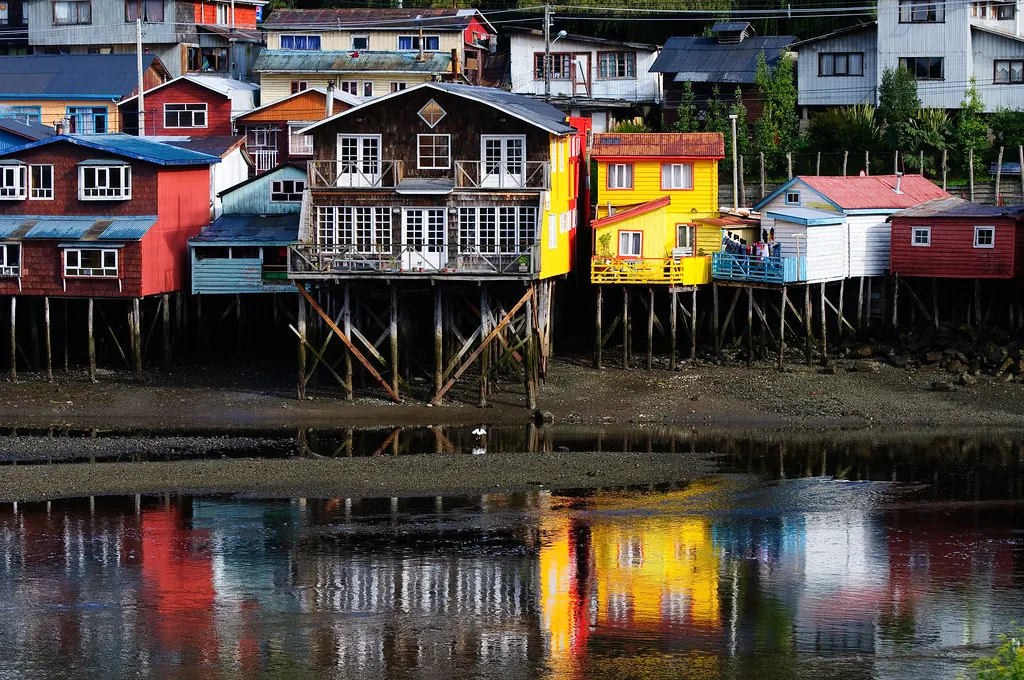
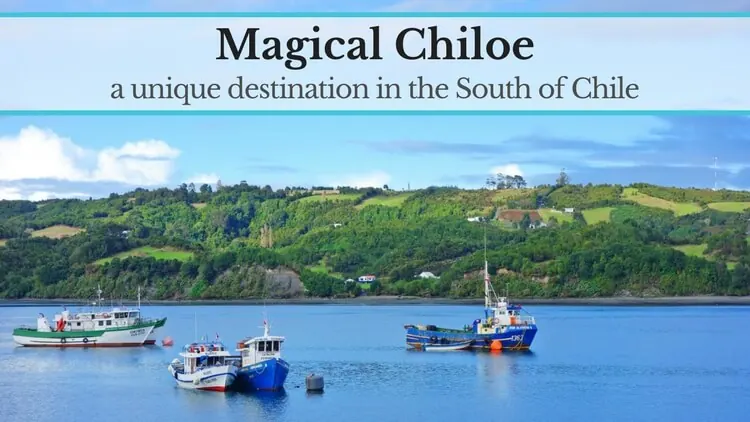
Colourful houses on stilts, wooden churches, green landscapes, very friendly people and a mythology full of sea spirits and ghost ships: these are the highlights of Chiloé.
Chiloé at a glance
- Where: off the coast of southern Chile, south of Puerto Montt
- Main island: Isla Grande de Chiloé; the capital is Castro, a good base for Dalcahue, Chonchi and Chiloé National Park
- Famous for: palafitos (stilt houses), 16 UNESCO-listed wooden churches, curanto, myths and penguins
- Best time: December to March. It rains a lot all year, but summer is milder and busier
Arriving on Chiloé Island
I arrived after midnight, after a 14-hour ferry journey from northern Patagonia: a tiny dot on the Pacific, rocking up and down between ocean and rain. I was a bit dizzy, but excited to explore this magical land.
Isla Grande de Chiloé is green, covered in Valdivian temperate rainforest; parts of it reminded me of New Zealand. Since most food comes from the sea, most towns and villages are on the coast.
Palafitos: the colourful stilt houses
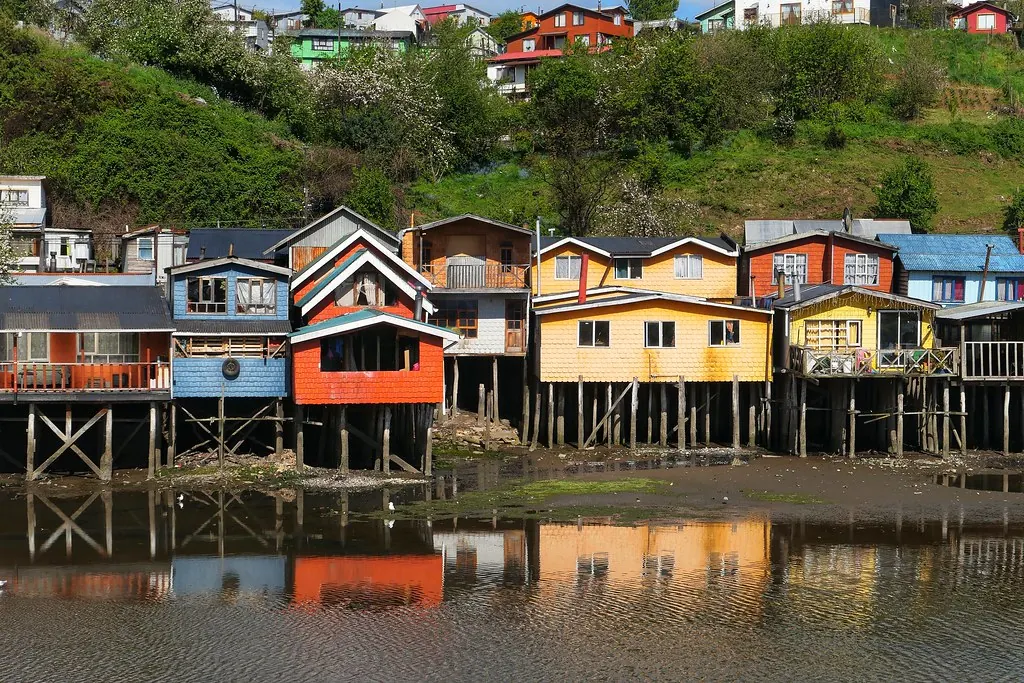
I didn't know much about Chiloé before arriving, but I had heard of the palafitos: wooden houses on stilts over the water, painted in bright colours. They reminded me of the stilt houses of northern Laos, in a much more colourful version.
Their walls are covered in wooden shingles (tejuelas) cut in geometric shapes, rounded, triangular or pointed, with different designs on every house. You can see the same decoration on houses on land. The most famous palafitos are in Castro: go to the Gamboa and Pedro Montt areas, ideally at high tide, when the houses seem to float.
The UNESCO wooden churches of Chiloé
Chiloé has more than 150 wooden churches, colourful outside and beautifully decorated inside. The tradition began with Jesuit missionaries in the 17th and 18th centuries, and the churches were built by local carpenters using techniques from shipbuilding. Some of the oldest wooden buildings in South America are here, and 16 churches were declared a UNESCO World Heritage Site in 2000.
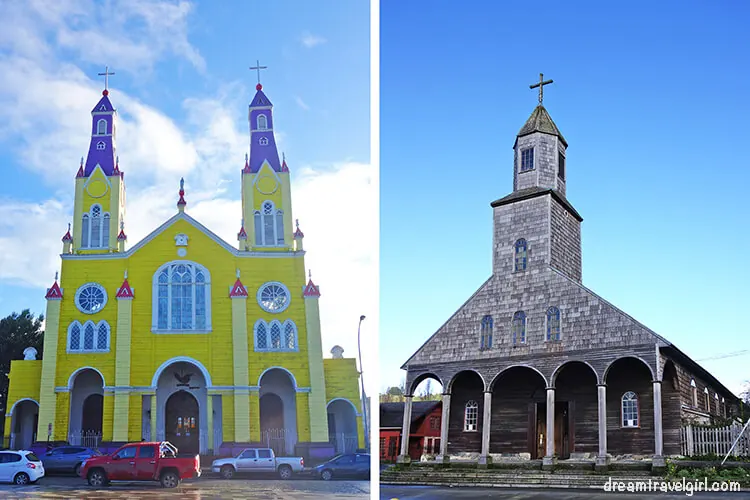
Don't miss the yellow and purple church of San Francisco in Castro, the church of Santa María de Loreto in Achao (one of the oldest), and those of Dalcahue and Chonchi. In Chonchi I met a woman in the church who told me about the wood used to build it, and we ended up comparing how people heat their homes in Chiloé, Patagonia and Barcelona.
Chilote mythology: sea kings and ghost ships
What makes Chiloé truly special is its mythology, a mix of indigenous beliefs and the legends of Spanish colonisers, closely linked to the sea and still very much alive.
Millalobo is the king of the sea. With his wife Huenchula he has three children: Pincoy, and the princesses Pincoya and the Chilote mermaid, who influence the abundance of fish. The Caleuche is a ghost ship that sometimes appears near the shore, lit up and full of music. And there are many more creatures. I found them everywhere: in sculptures, paintings, even in the island's distinctive street art.
Food: curanto al hoyo and potatoes
Chiloé's food is different from the rest of Chile: a fusion of Mapuche and Spanish traditions based on potatoes (the island has hundreds of native varieties), fish and seafood.
- Chapalele: a dumpling of boiled potato and wheat flour
- Milcao: a potato pancake made from raw grated and mashed potato, sometimes with pork
- Curanto al hoyo: the one you must try! Shellfish, chicken, sausages, smoked pork, potatoes, chapalele and milcao slowly cooked in a hole in the ground, on hot stones covered with nalca leaves
In Dalcahue I went into a restaurant to try curanto al hoyo. Looking for someone to ask, I ended up where two men were cooking. They showed me the hole full of meat and seafood, told me to sit down, and called me back when they opened it so I could watch. Unforgettable.
The people of Chiloé
I had heard that Chilotes are very friendly, and they are. Maybe it helped that it was low season, with few tourists and even fewer women travelling alone, so people were curious and came to talk.
A woman on the bus was worried about me travelling alone. "Is it dangerous here?" I asked. "No, Chiloé is safe. But be careful when you go north." In Quellón, a souvenir shop owner told me about the toninas, small Chilean dolphins you can sometimes see from the shore.
The weather: come prepared for rain
In New Zealand I learnt that green landscapes mean rain, and Chiloé is no exception. I visited in June, in winter, and it rained every day for a week (fortunately not all day). The tourist office told me I was their first visitor in a month! I would recommend visiting in summer, even though it is high season.
Planning your trip to Chiloé (2026)
Getting there
- From Puerto Montt: buses run several times a day to Ancud and Castro, crossing the Chacao Channel on a short ferry (the long-planned Chacao bridge is still under construction)
- By plane: Castro (Mocopulli) airport has flights from Santiago and Puerto Montt
- From the south: ferries connect Chiloé with Chaitén and other ports in northern Patagonia; schedules are limited, so book ahead
Getting around
Local buses connect Castro, Ancud, Dalcahue, Chonchi and Quellón, and small ferries go to islands like Quinchao (Achao). A rental car gives you more freedom for remote churches and beaches.
Don't miss
- The palafitos and church of Castro
- The Sunday market and curanto in Dalcahue
- Chiloé National Park for rainforest trails and wild Pacific beaches
- The Puñihuil penguin colony near Ancud, where Humboldt and Magellanic penguins nest (roughly September to March)
Chiloé FAQ
How many days do you need in Chiloé?
Three to five days to see Castro, Dalcahue, a few churches, the national park and the penguins.
When is the best time to visit Chiloé?
December to March for the mildest weather and penguin season. Bring rain gear whenever you go.
Is Chiloé safe for solo travellers?
Yes. I travelled alone and found it safe and extremely friendly.
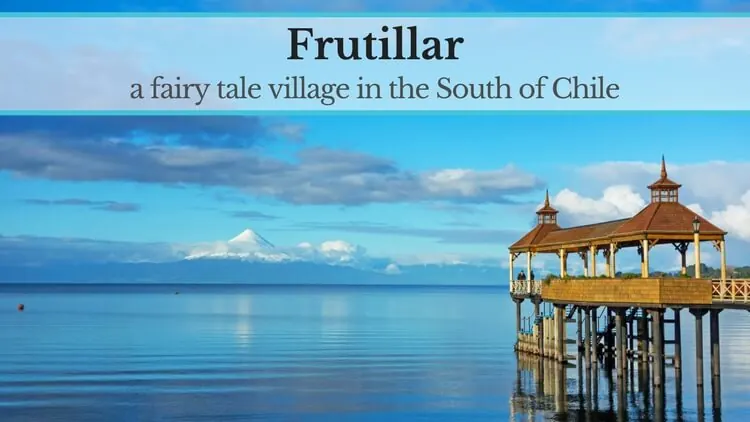
More from southern Chile: Frutillar, a fairy-tale village on Lake Llanquihue, and Bariloche, just across the Andes.
22 comments
Lynn
Chiloe looks simply AMAZING. I love any colourful, bright location, and your photographs are just beautiful!! This has just become a new dream destination for me!
Laia
Hi Lynn! Yes, Chiloé is amazing… and unique! highly recommended!
Megan | Red Around The World
Those houses on the stilts are so cute! I love the colors of them! Chile is super high on my list of places to see and this places is now on my Chile list!
Laia
Hi Megan! I spent three months in Chile and loved everywhere I went. The north and south are very different from each other so there are many different places to see 🙂
Kelly Duhigg
What a great post. This place sounds amazing. I love the vibrantly colored stilt houses. They look so charming. I don’t know if I could survive the boat over thought because I get seasick, but I would love to check this place out!!! Thanks!!
Laia
Thanks Kelly! Don’t worry about the boat, you can go to Chiloé by bus (from the north) and I think there might be flights as well.
Alex
This looks absolutely amazing! I, too, have seen stilt houses throughout Asia, but these palafitos are so much more colorful. I love that you included the shots of their tiled details as well.
… but let’s be real, the curanto al hoyo is the real factor that convinced me I need to visit 😉 My god, that looks divine.
Laia
Haha I completely understand Alex, the curanto al hoyo was divine!
“Tiles”! That was the word I was looking for and couldn’t find, thanks!!!
Itinera Magica
I dream of visiting CHile and I loved everything I saw here: the dolphin, the colorful houses, bright churches, atmosphere… It looks like a dream!
Laia
It is like a dream, Chiloé is a very special place (a bit rainy, but special!) 🙂
Kyntra Strickland
I have never heard of Chiloe, but would love to visit! Your pictures are lovely and it sounds like you had a wonderful adventure. Thanks for sharing!
Laia
Thanks Kyntra! Yes I had a great experience! Well it was a bit hard because of the cold and rain, but totally worth it! The place and the people were wonderful
Rosie Benton
Ahhh we are heading to SA this year so your post got me super excited! Photos are beautiful, will add it to our itinerary! Thanks for sharing we’d never have known otherwise.
Laia
Hi Rosie! I think Chiloé is not so well known, I learned about it from a local friend, but it is a great place to visit!
Kiara Gallop
Most articles I’ve read on Chile talk about it’s mountains, lakes, and desert areas, so it’s so nice to read about a different side to the country. Chiloe looks like such a cute little town. I absolutely adore the colourful palafitos and the unique wooden churches 🙂
Laia
Hi Kiara! Yes, that’s right, the most popular places in Chile (and so the most written about) are the mountains in Patagonia and the Atacama desert. But Chile is sooooo long that it has many other things! I actually discovered Chiloé thanks to a local friend, so it might be a bit off the beaten path 🙂
Alice Chen
This is absolutely amazing! I’m in LOVE with Chile but only got to travel through the northern half (ATACAMA DESERT??? INCREDIBLE) and am SO looking forward to the South!I had no idea it had these beautiful islands but I will be going here for sure!
Laia
Hi Alice! Oh I do agree that the Atacama desert is incredible! I think it’s quite difficult to see most of Chile in a single trip, it’s so long. If you have the opportunity to visit the south I do recommend Chiloé
Jamie
The food here sounds like a damn dream! My goodness I’m in love! I feel like this place is just so filled with culture… I’m dying to go now!!
Laia
Hi Jamie! Yes, Chiloé is filled with culture and it’s very interesting because it’s a bit different than other parts of Chile. And the food… worth a visit!
Therie
I’d love to see the interiors of those Palafitos and maybe stay there! The food is definitely right up my alley!
Laia
Oh yes it would be nice to see them inside and stay there! I don’t know if there are homestays in palafitos, maybe there are?
Comments are closed.